Home » Vaporizers » Dry Herb Vaporizers » Page 4
Dry Herb Vaporizers
What Is a Dry Herb Vaporizer?
A dry herb vaporizer is a device designed to heat compatible ground botanical material without deliberately setting it alight. The heated material releases vapour that can be inhaled through the mouthpiece.
Most electronic models contain a heating chamber, battery, temperature controls and mouthpiece. Desktop models use mains power, while manual vaporizers are heated with a compatible external heat source.
Dry herb vaporizers differ in the way they produce and control heat. Chamber design, airflow, power source and vapour path can all affect how the device feels during everyday use.
Choosing the Right Type of Dry Herb Vaporizer
There is no single model that suits every user. A compact device may work well for occasional individual sessions, while a larger portable or desktop vaporizer can be more practical for frequent or shared use.
Begin by deciding where you will normally use the vaporizer and whether portability, battery life, chamber capacity or temperature control matters most.
Portable Dry Herb Vaporizers
Portable vaporizers combine a battery, heating chamber and controls in one handheld device. They are suitable for users who want to use the same vaporizer at home and away from home.
Smaller portable models are easier to carry but usually have a smaller chamber and battery. Larger models can provide more battery capacity, stronger airflow or more consistent heating during repeated sessions.
A portable dry herb vaporizer is worth considering when you value:
- Rechargeable operation
- Adjustable temperature settings
- Compact dimensions
- Straightforward preparation
- Convenient charging
- Use without an external heat source
Check whether the device uses an internal or replaceable battery. Also consider the charging connection, approximate charging time and availability of compatible replacement parts.
Desktop Dry Herb Vaporizers
Desktop vaporizers connect to a wall socket and are designed mainly for home use. They do not depend on a rechargeable battery and can maintain power during longer sessions.
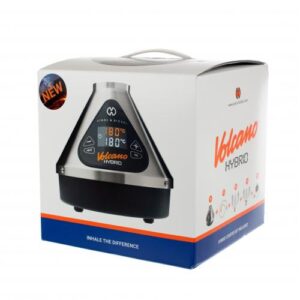
Depending on the model, vapour is inhaled directly through a whip or collected in a balloon. Some desktop units support both delivery methods.
A desktop vaporizer may be suitable when portability is less important than continuous power, chamber capacity and use during longer or shared sessions. These devices are generally larger and more expensive than portable models.
Manual Dry Herb Vaporizers
Manual vaporizers do not contain an electronic heating system. The chamber is heated using a torch, induction heater or another compatible heat source.
These devices are compact, mechanically simple and do not need charging. They do, however, require more practice. Flame position, heating time and rotation can affect the temperature and consistency of the session.
Manual vaporizers from brands such as DynaVap may appeal to users who prefer a durable device with direct control over the heating process.
Session and On-Demand Vaporizers
A session vaporizer heats the chamber and keeps it at the selected temperature for a set period. This format is useful when you normally finish a chamber during one continuous session.
An on-demand vaporizer applies heat when the heater is activated or while you draw. This makes it easier to take one or two draws and return to the chamber later.
Some dry herb vaporizers offer both modes. Choose session heating for continuous use and on-demand heating when you prefer shorter, more flexible sessions.
Conduction, Convection or Hybrid Heating?
Heating technology is one of the most useful specifications to compare. It influences heat-up time, airflow, chamber loading and how the material is heated.
Conduction Heating
A conduction vaporizer heats the material through direct contact with the warm walls of the chamber.
This method can provide a short heat-up time and is common in compact, affordable vaporizers. The chamber often needs to be filled evenly so the material makes consistent contact with the heated surface.
Conduction vaporizers are commonly chosen for:
- Fast preparation
- Straightforward operation
- Compact construction
- Accessible pricing
- Continuous session use
Because the material remains in contact with the chamber, it can continue heating between draws. Some conduction devices benefit from stirring the chamber during a session.
Convection Heating
A convection vaporizer moves heated air through the chamber while you inhale. The material is heated mainly by the passing air rather than through direct contact with the oven walls.
Convection systems can provide even heating and open airflow when the chamber is loaded correctly. They may require a slower or more controlled draw than some conduction devices.
Convection vaporizers can be useful for users who prioritise:
- Airflow
- Even chamber heating
- Controlled extraction
- Flexible session length
- Flavour-focused use
True convection models can be more expensive and may require more time or battery power to reach their operating temperature.
Hybrid Heating
Hybrid vaporizers combine conduction and convection. The chamber provides direct heat while warm air moves through the material during inhalation.
This combination can offer a quick start alongside stable heating and good airflow. Hybrid systems are commonly found in higher-performance portable vaporizers.
No heating method is automatically best for everyone. Draw resistance, chamber design, controls and cleaning access can be just as important as the heating technology.
How to Choose a Dry Herb Vaporizer
Specifications are only useful when they match the way you plan to use the device. Focus on practical differences instead of choosing the model with the longest feature list.
Choosing Your First Vaporizer
A first dry herb vaporizer should be easy to load, operate and clean. Look for clear controls, reliable temperature settings and a chamber that is easy to reach.
Advanced app controls and extensive customisation are not essential for most beginners. Simple temperature presets can be more practical than a large settings menu.
Our beginner-friendly vaporizers are a useful place to compare accessible models.
Choosing for Regular Use
Frequent users should consider construction, battery capacity, cleaning access and replacement-part availability.
A removable battery can be useful because it can be replaced when its capacity eventually decreases. A larger internal battery may provide more use between charges without requiring separate battery management.
Also check whether screens, seals, cooling units and mouthpieces are readily available. A well-supported vaporizer is generally easier to maintain over a longer period.
Choosing for Portability
Size and weight are important, but they are not the only considerations for use away from home.
Look at:
- Battery life
- Charging connection
- Mouthpiece protection
- Chamber access
- Device shape
- Carrying-case availability
- Replaceable versus internal battery
USB-C charging can be convenient for day trips. A replaceable battery may be more practical when access to a charger is limited.
Choosing for Home Use
A larger portable vaporizer can combine battery-powered flexibility with a bigger chamber and cooling system. A desktop vaporizer removes battery limitations completely.
For home use, compare chamber capacity, airflow, temperature stability and the way vapour is delivered. Balloon systems, whips and cooling units each create a different type of setup.
Important Features to Compare
Temperature Control
Some dry herb vaporizers allow temperature adjustment by individual degrees. Others use several preset levels.
Precise adjustment provides more control, while presets are generally faster and easier to operate. Always follow the temperature guidance supplied by the device manufacturer and consider the botanical material being used.
Avoid choosing solely by maximum temperature. Stability and ease of adjustment are often more useful than an unusually wide temperature range.
Heat-Up Time
Compact vaporizers can sometimes reach their operating temperature quickly. Larger convection and desktop systems may require more time to stabilise.
A short heat-up time is useful for quick sessions, but it should not be the only deciding factor. Airflow, temperature consistency, cooling and chamber access affect the complete experience.
Chamber Size
A small chamber uses less material and is practical for shorter individual sessions. A larger chamber reduces the need to reload during longer use.
Some conduction vaporizers work best with an evenly filled chamber. Convection models may require a looser fill to maintain airflow. Follow the loading instructions for the specific device.
Airflow
Airflow determines how much resistance you feel while drawing from the mouthpiece.
Some vaporizers have a deliberately restricted draw, while others offer a more open vapour path. Adjustable airflow can be useful, but it is not available on every device.
Users who prefer an open draw should pay attention to the complete airway and cooling system, not just the heating method.
Battery and Charging
Battery capacity gives a general indication of potential use, but advertised session counts are estimates. Actual battery life depends on temperature, session length, heater type, battery condition and usage.
Check:
- Whether the battery is internal or removable
- Which charging connection is used
- Whether a charging cable is included
- Approximate charging time
- Whether pass-through use is officially supported
- Availability of approved replacement batteries
Only use batteries and charging equipment that meet the manufacturer’s specifications.
Vapour Path and Mouthpiece
The distance between the chamber and mouthpiece can affect vapour temperature. Longer vapour paths and cooling units allow more time for the vapour to cool before reaching the mouthpiece.
Vapour paths may contain stainless steel, ceramic, glass, silicone or a combination of materials. Each construction has different advantages for durability, cooling and cleaning.
Cleaning and Maintenance
Residue gradually collects inside the chamber, screen, mouthpiece and cooling unit. A vaporizer with removable components is generally easier to maintain.
Check how easily the mouthpiece or cooling unit can be disassembled. Also confirm whether compatible screens, seals and other replacement parts are available.
How to Use a Dry Herb Vaporizer
Exact instructions differ between devices, but most electronic dry herb vaporizers follow a similar process:
- Grind the material to a consistent texture.
- Open the chamber and check that it is clean.
- Fill the chamber using the method recommended by the manufacturer.
- Switch on the vaporizer.
- Select the desired temperature or preset.
- Wait until the device indicates that it is ready.
- Inhale slowly and steadily through the mouthpiece.
- Stir the chamber during the session if recommended.
- Empty and brush the chamber after use.
Do not overfill the chamber or block its airflow. Material that is ground too finely may pass through the screen or make the device harder to draw from.
Always follow the manual supplied with your vaporizer.
Accessories for Dry Herb Vaporizers
Grinders
An even grind helps fill the chamber consistently and maintain airflow. A medium texture works well with many vaporizers, although the ideal grind depends on the chamber and heating method.
Compact grinders are convenient for carrying, while larger models make it easier to prepare more material.
Dosing Capsules
Dosing capsules are small containers that can be prepared in advance and inserted into compatible vaporizer chambers.
They can make reloading easier and reduce the amount of loose material that touches the main oven. Capsules are device-specific and should never be assumed to fit another brand or model.
Screens and Filters
Screens prevent small particles from entering the vapour path. They should be brushed regularly and replaced when damaged, heavily blocked or difficult to clean.
Using the correct screen dimensions is important for maintaining airflow and preventing loose material from reaching the mouthpiece.
Mouthpieces and Cooling Units
Replacement mouthpieces are useful when the original part becomes worn or damaged. Alternative mouthpieces and cooling units may also change the length, temperature or resistance of the vapour path.
Only use components designed for the exact vaporizer unless compatibility is clearly confirmed.
Cases, Batteries and Chargers
A protective case keeps the vaporizer, capsules, cleaning tools and charger together. It can also help prevent dust or loose material from entering the chamber and mouthpiece.
Use only compatible chargers and approved batteries. Browse our vaporizer batteries and check the product specifications carefully before ordering.
Popular Dry Herb Vaporizer Brands
Different manufacturers take different approaches to heating, controls, dimensions and maintenance.
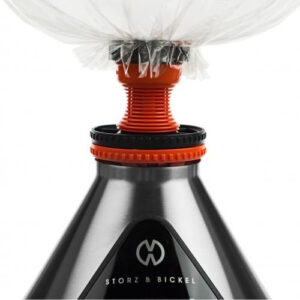
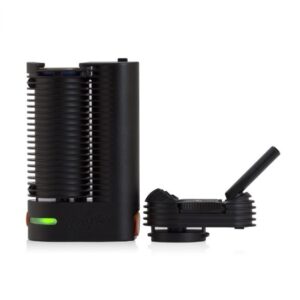
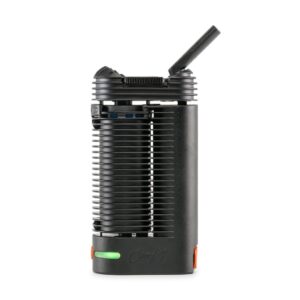
Storz & Bickel offers portable and desktop vaporizers with substantial cooling systems and straightforward controls.
XMAX produces accessible and mid-range portable devices across different heating systems, battery formats and session styles.
Zensei focuses on accessible portable vaporizers designed for straightforward everyday operation.
PAX is known for slim portable designs, while DynaVap specialises in manually heated vaporizers. Boundless, G Pen, AirVape and Flowermate provide further choices across different sizes and price ranges.
Compare the individual model rather than choosing solely by brand name.
Why Order from 420 Vaporizers?
420 Vaporizers brings together dry herb vaporizers from established international manufacturers and specialist brands. This makes it easier to compare starter devices, compact portable vaporizers, manual models and higher-performance units in one category.
When you order from 420Vaporizers.eu, you benefit from:
- Authentic products from recognised vaporizer brands
- Discreet delivery across Europe
- Free EU delivery on qualifying orders over €50
- Secure payment options
- Compatible accessories and replacement parts
- Product support when comparing devices
Check the individual product page for current availability, included accessories and applicable manufacturer warranty information.
Frequently Asked Questions
What is the best dry herb vaporizer?
The best dry herb vaporizer depends on how and where you plan to use it. Choose a compact model for portability, a larger battery-powered device for frequent sessions or a desktop vaporizer for longer home use. Heating method, airflow, controls and maintenance are more useful comparison points than price alone.
Are dry herb vaporizers suitable for beginners?
Yes. Many models have straightforward controls, preset temperatures and easily accessible chambers. Beginners should prioritise simple loading, reliable temperature control and convenient cleaning.
What is the difference between a dry herb vaporizer and a concentrate vaporizer?
A dry herb vaporizer contains a chamber designed for compatible ground botanical material. A concentrate vaporizer uses a chamber or atomizer developed for compatible waxes and concentrates.
Some devices support both materials through separate chambers or inserts. Never place concentrates directly in a dry herb chamber unless the manufacturer confirms compatibility.
Should I choose conduction or convection?
Choose conduction when quick heating, compact dimensions and simple session use are priorities. Consider convection when airflow and even heating are more important. Hybrid devices combine elements of both methods.
The complete chamber, vapour path and controls are more important than the heating label alone.
How finely should dry herbs be ground?
A medium, consistent grind works with many dry herb vaporizers. Material that is too coarse may heat unevenly, while a powder-like grind can restrict airflow or pass through the screen.
Follow the recommendations for the specific chamber.
How often should I clean a dry herb vaporizer?
Brush loose material from the chamber after use and clean the mouthpiece and screen regularly. The required frequency depends on the model and how often it is used.
A deeper clean may be needed when airflow becomes restricted, visible residue builds up or the manufacturer’s recommended maintenance interval is reached.
Do dry herb vaporizers produce an odour?
Vaporizing botanical material still produces a recognisable aroma. Its strength depends on the material, temperature, device and room ventilation. The chamber and mouthpiece may also retain an odour between sessions.
Can every dry herb vaporizer be used with concentrates?
No. Only use concentrates when the manufacturer confirms that the device supports them and provides the correct insert or chamber. Placing concentrates in an incompatible dry herb chamber can damage the vaporizer.
Which accessories do I need?
A suitable grinder and cleaning brush are the most useful basic accessories. Depending on the device, dosing capsules, spare screens, a replacement mouthpiece, an approved battery or a protective case may also be helpful.
-
 Save 39,00 €
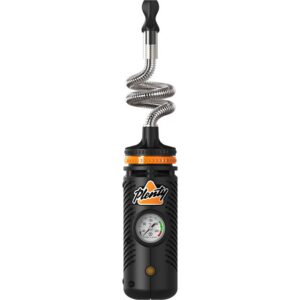
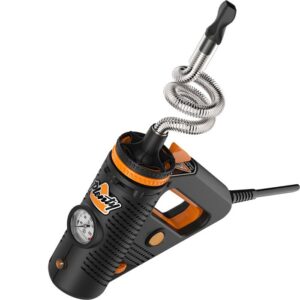
Plenty Vaporizer
-
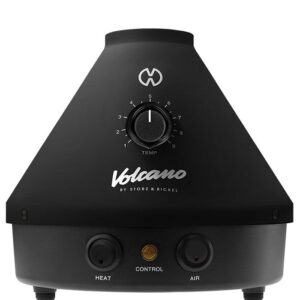
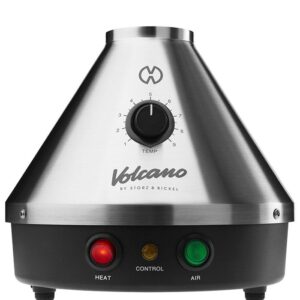
Volcano Classic Vaporizer
349,00 € This product has multiple variants. The options may be chosen on the product page -
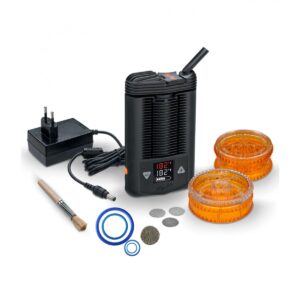
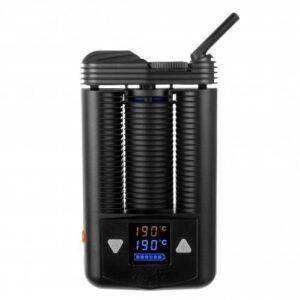 Save 114,01 €
Mighty Vaporizer
-
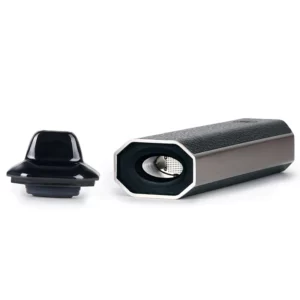
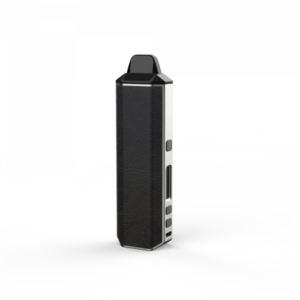
XVAPE ARIA
69,95 € This product has multiple variants. The options may be chosen on the product page -
 SOLD OUT
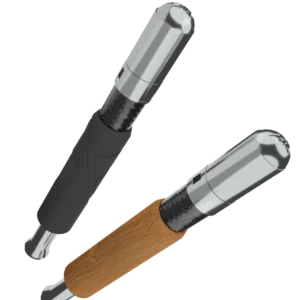
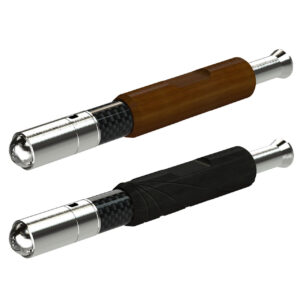
The Hippie – Pipe Analog Vape Pen
79,99 € This product has multiple variants. The options may be chosen on the product page -
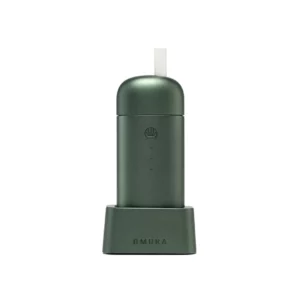
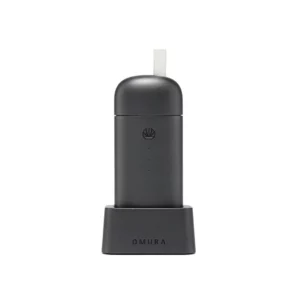
Omura Series X Whole Flower Vaporizer
149,00 € This product has multiple variants. The options may be chosen on the product page -
 SOLD OUT
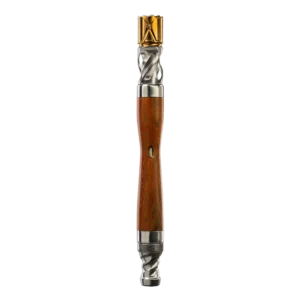
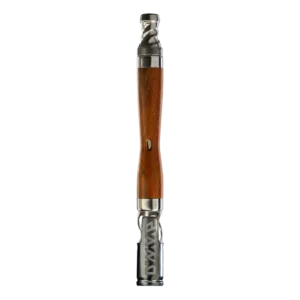
DynaVap – The WoodWynd
169,00 € This product has multiple variants. The options may be chosen on the product page